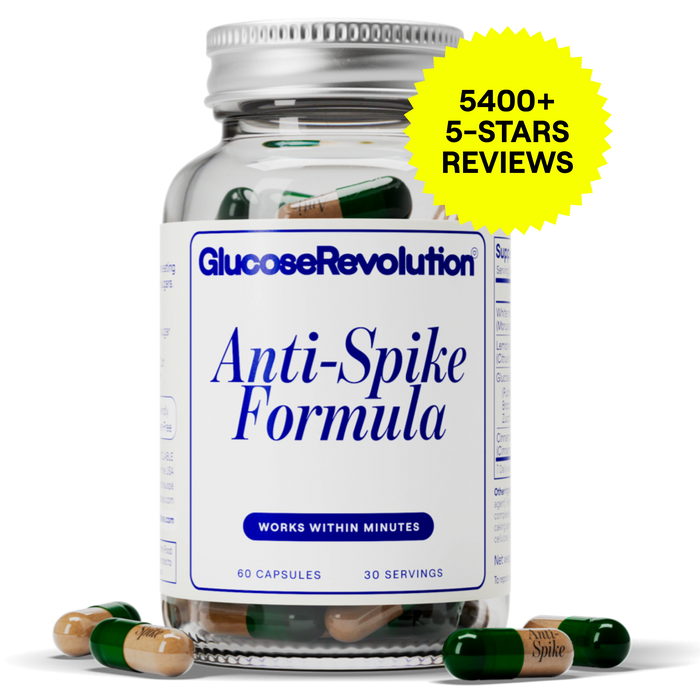


 Anti-Spike Supplement
 Protein Prodigy
 The Recipe Club
 Course
 50 Breakfast Recipes
 50 Veggie Starter Recipes
 20 Vegan Recipes
 20 Gluten-Free Recipes
 The 10 Glucose Hacks
 Vinegar
 Alcohol
 Fasting
 GLP-1
GLP-1
 What to Eat Before & After Exercise
 Protein
 PCOS
PCOS
 Menopause
 My MRI Story
 Breakfast
 Supplements
 Clothes on Carbs
 Eggs & Cholesterol
 Chocolate
 Food Labels
 Veggie Starters
 Move After Eating
 Why Glucose Matters
 Glucose Revolution
 The Glucose Goddess Method
 9 Months That Count Forever

SCIENCE GUIDE
Let's start by talking about Diet Coke. It’s a go-to drink for many who want to enjoy the sweetness of soda without the guilt of sugar and calories. But, here’s a question that’s been on many people’s minds: does Diet Coke affect your blood sugar?
The Sweet Secret of Diet Coke
Diet Coke is popular because it’s sugar-free. Instead of sugar, it contains artificial sweeteners like aspartame, acesulfame potassium, and sucralose. These sweeteners are incredibly potent—hundreds of times sweeter than sugar but without the calories. It seems like the perfect solution, right? You get the sweetness without worrying about the sugar spike. But here’s where things get interesting.
Our bodies are designed to respond to sweetness. When you taste something sweet, your body often reacts as if you’re consuming sugar, even if it’s not real sugar. Some studies suggest that just the taste of something sweet can trigger an insulin response, which is your body’s way of preparing to manage sugar in your bloodstream.
This response might be because, for most of human history, sweetness meant sugar, and our bodies haven’t fully caught up with the fact that we now have artificial sweeteners that don’t actually provide sugar. So, even though there’s no sugar in Diet Coke, the sweetness alone might still have some effect on your blood glucose levels.
What are sweeteners and how do they work?
Sweeteners are ingredients used to give foods and drinks a sweet taste without the added calories of sugar. They come in two main types: natural sweeteners and artificial sweeteners.
Natural sweeteners include options like stevia, which is derived from the leaves of the Stevia plant, and monk fruit extract, which comes from a small green fruit. These sweeteners can be hundreds of times sweeter than sugar, so you need much less to achieve the same level of sweetness.

Artificial sweeteners like aspartame, sucralose, and saccharin are chemically synthesized and often used in diet sodas, sugar-free gum, and other low-calorie or sugar-free products. These sweeteners are also much sweeter than sugar but contain little to no calories.

So, how do they work? When you consume a sweetener, your taste buds detect the sweetness, and your brain responds as if you've just eaten sugar. However, because sweeteners don't contain actual sugar, they don't raise your blood glucose levels the way sugar would. This makes them popular among people trying to manage their weight or blood sugar levels.
But there's a catch. Some studies suggest that because your body expects sugar after tasting sweetness, it might still release insulin in anticipation, which could potentially affect your metabolism over time. This is still a topic of debate among scientists, but it’s something to keep in mind when choosing sweeteners.
To dive deeper into how sweeteners work and their impact on your body, check out my YouTube video where I explain everything you need to know!
Video transcription : Honey vs. Sweeteners vs. Fruit: GOOD sugar and BAD sugar? | Episode 15 of 18
Hello angels and welcome to the Glucose Goddess Show. My name is Jessie Inshauspé. I'm a French biochemist and I really want you to understand food and your body. I'm obsessed with helping you figure all this out, and in this episode I want to discuss one of the most misunderstood topics in nutrition out there, one of the most common questions I get, and one of the biggest sources of confusion and one of the biggest tricks that food companies use to make you buy their food products.
I'm talking about sugar and the notion that some sugars are good for us and some sugars are bad for us. And then we're also going to cover sweeteners and whether they are better for us than sugar or worse for us than sugar. Okay, let's do this. I'm so excited.
In order to discuss this topic, I want to tell you a story. One of my readers, Olivia — she was 18 at the time of this story — she comes from Argentina and she told me her story. She used to have quite a few struggles: bad acne on her face, exhaustion, lack of focus, really low energy. And her breakfast used to be a hot chocolate, a slice of toast and some jam on it.
She told me that she went to her friends telling them that she didn't feel that well, and her friends suggested that maybe her breakfast was causing the issues. The friend said, "Hey, I think what you're doing is you're eating bad sugar. You should switch your breakfast to eating something way better for you like a fruit smoothie."
So Olivia changed her breakfast of hot chocolate and toast and jam and replaced it with a fruit smoothie. She made it with mangoes and bananas and kiwis, so a pure fruit smoothie in the morning.
She thought that she would get better, she thought she would start to feel more energy, that her skin would get clearer, that her brain would work better. Turns out, my dear, that this new breakfast, the fruit smoothie, actually made her feel worse. Her skin got worse, her energy got worse, she could not focus in school anymore.
She had thought that the sugar from the fruit smoothie was good sugar, that it was sugar that was going to help her have energy, that it was sugar that was good for her brain, whereas the sugar from the hot chocolate and the toast and jam was bad sugar.
And indeed we've been indoctrinated with this idea that sugar from fruit is good for us and is healthy, whereas sugar that is refined and the white powdered sugar is bad for us. So many of us believe that fruit smoothies and fruit juices contain good sugar because we've been told that if something comes from fruit then it's going to be really good for our body and it's going to promote health and it's going to help us feel better. And this is what the food industry really wants you to believe.
But the reality is, my dears, that believing that some sugar is good and some sugar is bad is fundamentally misunderstanding the sugar molecule and what's actually going on.
And here's the deal: the sugar that is in a hot chocolate or in crystallized white cane sugar, that sugar molecule sucrose, is the exact same molecule as the sugar molecule sucrose that is in fruit — in a banana or an apple or a kiwi or a mango. Sugar is sugar for the body. The body doesn't make a difference between "oh this sugar came from a cake or hot chocolate" and "this sugar came from a fruit." In terms of the molecules it's all the same stuff and it's all going to be processed in the same way in your body.
And in the case of Olivia, she was actually eating more sugar in the fruit smoothie than she was in her previous breakfast. So overall, she was creating a bigger glucose spike in her body and her health was getting worse.
So when I spoke to her, I encouraged her to switch to a savory breakfast built around protein with no sugar except whole fruit if she wanted for taste, and that started solving all of her issues.
I want you to understand that sugar is sugar no matter where it comes from. Whether it's in a candy bar or in a fruit juice, it's all the same molecule.
Now what does differ is the wrapping the sugar comes in. So if you take a whole fruit, for example like a banana or an apple, yes, there are sugar molecules in that piece of whole fruit and they are the same sugar molecules as in a chocolate cake, but in the piece of whole fruit there's also fiber and water. And the fiber is the key here because the fiber in a piece of whole fruit is going to slow down how quickly the sugar molecules get to your bloodstream, so the fiber is going to reduce the impact of the sugar on your body. Eating a piece of whole fruit is always 100% the best thing to eat if you want to eat something sweet because of the fiber that it contains.
Hey, really quickly, if you can't always do my food hacks and you want to eat the carbs that you love with less impact on your glucose levels, I created a capsule just for that. It's called Anti-Spike Formula. You take two before a meal; it cuts the glucose spike of carbs by up to 40%. It's 100% made out of plants and tested by over 25 clinical trials. Link is in the description. Okay, back to the episode.
Now the issue arises when we denature a piece of fruit. If you take an apple, for example, and you smoothie it — you blend it — or you juice it, what you're doing is you're damaging or removing that protective fiber. As a result, for example, if you juice an apple, you're getting rid of all of the protective fiber — that's the matter that you're throwing away when you juice a fruit — and you're only extracting the sugar molecules from that apple.
And those sugar molecules are exactly the same as you will find in a can of soda, or in a cake, or in a candy bar, or an ice cream. There's no difference in those sugar molecules. The only thing that matters is: is the sugar still in the piece of whole fruit (in which case it's better for you), or has the sugar been extracted and turned into something else (in which case it's just free-flowing sugar)?
It's not because sugar came from a fruit that it is miraculously better for your body or miraculously healthy. It's all the same stuff.
Let's take that further. If sugar extracted from fruit is the same as white table sugar, you know what else is the same? Brown sugar, molasses, maple syrup, agave syrup — all of these other forms of sugar are also the same exact molecules. Don't be fooled into thinking brown sugar is better than white sugar. Brown sugar is simply white sugar tinted with molasses to make it appear healthier. It's not healthier. Same with coconut sugar — it's all the same molecules. Same with agave syrup — it's all the same molecules. Same with maple syrup. The only thing that differs is the ratio of glucose to fructose. But the molecules are the same.
In fact, when you look at the glucose versus fructose ratio, you’ll notice that things like agave syrup are actually worse for you than table sugar because agave has more fructose, which is a worse molecule for our body.
Now let's discuss honey. Honey has a good reputation. People believe it has incredible virtues, that it's healthy, that you should take it when you have a cold and put it in your tea.
Here's the deal with honey:
First, most commercial honey you find in supermarkets is not actually honey. It's just something made to look like honey — liquid sugar in a bottle.
Second, even if you're getting organic raw local honey, it is still the same sugar molecules as table sugar. It's still sucrose, glucose, and fructose. Your body treats those molecules exactly the same.
When you are eating honey, you are eating sugar. It's going to be processed the same, leading to big glucose spikes, inflammation, glycation, etc.
Why am I telling you this? Not to depress you. I know many of you like honey. I just want you to understand that when you're eating honey, you should be doing it for pleasure, not for health.
Pick the sugar you like best. They're all the same. Whether it's brown cane sugar, white cane sugar, maple syrup, agave, honey — it's all the same molecules. So pick the one that gives you the most pleasure because none of them are healthier than the others.
Now, I know what you're going to say: what about the antioxidants in honey? Eating honey for antioxidants is not a good move. Yes, honey contains antioxidants, but it also contains a large amount of sugar. If you want antioxidants, it's much better to eat fruits and vegetables — they don't come with huge sugar spikes.
As an example: you can find the same amount of antioxidants in one teaspoon of honey as in one-sixth of a blueberry. If you eat one whole blueberry — which is tiny — you're getting as many antioxidants as in six teaspoons of honey without the sugar.
Honey is not the best way to get antioxidants.
So, all sugars are similar. Have the one you like best. Even if you love honey, go for it — just remember you're having it for pleasure, not health, and you should use my glucose hacks to reduce its impact. There's a link in the description for my 10 glucose hacks.
Something else to know: food manufacturers love giving new names to sugar to make it look healthier on labels. Tons of alternative names include fruit puree, glucose syrup, high-fructose corn syrup, saccharose, palm sugar, panela, cane sugar, corn sweetener, corn syrup solids, fruit juice concentrate.
If you see “fruit juice concentrate” on a label, that means it is sugar molecules extracted from fruit. It's all the same molecules. Don’t be fooled.
Now let’s cover food packaging tricks. One thing that annoys me: “100% natural” on packaging.
What does “100% natural” actually mean? It just means no synthetic additives. It does not mean the product doesn't contain sugar.
Example: a yogurt might say “100% natural,” but the ingredients list includes cane sugar.
Same with “no sugar added.” That does not mean no sugar. It just means no sugar was added during production. They could extract sugar from fruit and still label it “no sugar added.”
If you see “100% natural,” “organic,” “no sugar added,” “gluten-free,” “fat-free” — these health halos mean nothing. Always turn the package around.
It’s okay to eat sugary foods, but know what you're eating. They are for pleasure, not health.
Use glucose hacks to reduce their impact:
- Put clothing on your carbs
- Never eat sugar on an empty stomach
- Have sugar after a meal, not alone
- A vinegar drink can help
- Anti-Spike capsules help reduce spikes
Now the big debate: sweeteners.
Sweeteners = sweet taste, no calories. Examples: stevia, allulose, monk fruit, erythritol, xylitol, aspartame, sucralose.
Some sweeteners cause side effects like insulin spikes, glucose spikes, microbiome damage, more cravings.
Sweeteners fall into two groups:
Sweeteners to avoid:
- Aspartame
- Maltitol
- Sucralose
- Xylitol
- Acesulfame K
Better sweeteners:
- Allulose
- Stevia
- Erythritol
- Monk fruit
Now, if you use sweeteners and have seen headlines about them causing cancer, etc., remember: real sugar is far worse.
A regular soda contains 25 grams of sugar, which causes far more damage than the sweeteners in a diet soda.
If you drink diet soda, do not switch back to regular soda. Diet soda isn't good for you — water is better — but regular soda is much, much worse.
To recap:
Have any type of sugar you like; they're all the same for your body. Use my hacks to reduce their impact. Don’t be fooled by marketing tricks. And if you use sweeteners, switch from the “avoid” list to the better list. Do not switch diet soda to regular soda.
That's all we have time for today. Resources are in the description of this episode — my hacks, the list of sugar names, everything you need. Thank you for being here. I'll see you next time.
How Does Diet Coke Affect Blood Glucose Levels?
Now, let’s get to the heart of the matter. You’re probably wondering: does Diet Coke really cause a blood sugar spike, or is it just a myth?
What the Research says
The relationship between Diet Coke and blood glucose levels isn’t as straightforward as we’d like. The research is mixed, with different studies showing different results. However, understanding the science can help us make more informed choices.
Some research has found that while Diet Coke doesn’t contain sugar, the artificial sweeteners might still trigger your body to release insulin. One study found that when people drank Diet Coke, their insulin levels increased even though their blood sugar didn’t rise. This suggests that your body might be responding to the sweet taste as if it were sugar, preparing to manage a glucose load that never arrives.
Other studies have looked into the long-term effects of consuming artificial sweeteners and found that they could alter your gut bacteria. This change in gut microbiome can potentially affect how your body processes glucose, leading to insulin resistance over time. A review of multiple studies published in Nature indicated that artificial sweeteners could disrupt the balance of gut bacteria, which is linked to glucose intolerance and insulin resistance.
Changes in postprandial glucose levels for each condition.

But it’s not all bad news. Some studies show that for most people, Diet Coke doesn't cause a significant rise in blood sugar glucose levels. The impact may vary depending on how your body specifically reacts to artificial sweeteners, which is why it’s crucial to pay attention to how you feel after consuming these drinks.
Expert Opinions on Diet Coke
Experts are divided on the effects of Diet Coke. Some dietitians and healthcare providers believe that Diet Coke can be a good alternative for people with diabetes because it doesn’t contain sugar. It allows them to enjoy a sweet beverage without the worry of a sugar spike.

However, other experts are more cautious. They warn that while Diet Coke doesn’t have sugar, the long-term effects of artificial sweeteners aren’t fully understood. There’s concern that these sweeteners might lead to an increased craving for sweets, disrupt metabolic processes, or even contribute to weight gain in the long run.
The takeaway here is that while Diet Coke is sugar-free, it’s still important to be mindful of how much you’re drinking and how your body responds to it. Everyone’s body is different, and what works for one person might not work for another. However, Diet Coke is still a better option than regular Coke because of the significant risks associated with the high amount of sugar in regular sodas, which can lead to glucose spikes and other health issues.
Diet Coke Alternatives for Maintaining Healthy Glucose Levels
If you’re concerned about how Diet Coke might be affecting your glucose levels, you’re not alone. Many people are looking for healthier alternatives that can satisfy their cravings without the potential downsides.
Healthy Alternatives

Let’s explore some alternatives to Diet Coke that are better for your health and can help maintain steady glucose levels:
- Sparkling Water: Add a splash of lemon, lime, or a few berries to your sparkling water for a refreshing, fizzy drink. It’s a great way to enjoy the bubbles without any sweeteners.
- Herbal Teas: These are naturally caffeine-free and come in a variety of flavors. You can enjoy them hot or iced, and they’re a fantastic way to stay hydrated while avoiding sugar and artificial sweeteners.
- Infused Water: Give plain water a flavor boost by adding slices of cucumber, mint leaves, or citrus fruits. It’s a simple, natural way to make your water more exciting and enjoyable.
- Kombucha: This fermented tea has a slight fizz and comes with probiotics that are great for gut health. Just be sure to choose a sugar-free option.
Maintaining Healthy Glucose Levels for Better Health
Let’s talk about why maintaining healthy glucose levels is so important—not just for people with diabetes, but for everyone.
Why Glucose Levels Matter
When your glucose levels are steady, you feel more energized, focused, and in control of your health. But when your glucose spikes too often, it can lead to insulin resistance, weight gain, and more serious conditions like type 2 diabetes. The good news? There are simple, practical hacks you can start using today to keep those glucose levels in check.
Hacks for Healthy Glucose Levels
Here are some easy ways to help you maintain steady glucose levels throughout the day:
- Start Your Day with a Savoury Breakfast: Instead of reaching for something sweet in the morning, go for a savoury option. Think eggs, avocado, or Greek yogurt—these foods are packed with protein and healthy fats that help keep your glucose levels steady. Starting your day with a savory breakfast helps you avoid that mid-morning energy crash and sets you up for a more balanced day. For more ideas, check out my Savoury Breakfasts Guide.
- Move After Meals: A simple walk after eating can work wonders for your glucose levels. Physical activity helps your muscles soak up glucose from your bloodstream, reducing spikes and keeping your energy steady.
- Use Vinegar Before Meals: One of my favorite hacks is to have a tablespoon of vinegar diluted in water before a meal. Vinegar can help slow down the breakdown of starches into glucose, which helps keep your glucose levels from spiking too high. If you want to dive deeper into the benefits of vinegar, take a look at my Vinegar Guide.
- Add Fiber to Your Meals: Fiber is your friend when it comes to glucose. It helps slow down the absorption of sugar into your bloodstream, keeping your glucose levels on an even keel. Load up on veggies, seeds, and whole grains to get that fiber boost.
By incorporating these simple hacks into your daily routine, you’ll be taking big steps toward more stable glucose levels and better overall health. For a complete list of my hacks, click the button down below.
Making the Conscious Choice to Reduce Glucose Spikes
One of the most powerful tools you have for managing your glucose levels is the ability to make conscious choices about what you eat and drink. When you choose foods that don’t cause large spikes in your glucose levels, you’re not just preventing short-term energy crashes—you’re protecting your long-term health. Every meal is an opportunity to support your body, and with the right choices, you can feel your best every day.
Support Your Glucose Levels with Anti-Spike Formula
As you start making these conscious choices, it’s important to have the right support along the way. That’s where the Anti-Spike Formula comes in. This supplement is designed to help you reduce glucose spikes and maintain steady blood sugar levels throughout the day. It’s packed with ingredients like white mulberry leaf, lemon extract, and cinnamon extract, all chosen for their ability to support healthy glucose metabolism.

- White Mulberry Leaf slows down the breakdown of sugars in your gut, helping them be absorbed more slowly into the bloodstream.
- Lemon Extract helps regulate blood sugar levels, reduces inflammation, and enhances feelings of fullness, making it easier to avoid overeating.
- Cinnamon Extract plays a key role in managing insulin levels and improving insulin sensitivity, making your body more efficient at handling natural sugar intake.
- Antioxidant-rich Vegetables: Supplies a concentrated dose of antioxidants that support overall cellular health and help manage the oxidative stress associated with blood sugar fluctuations
By incorporating Anti-Spike Formula into your daily routine, you’re giving your body the extra support it needs to manage glucose effectively. It’s a simple, effective way to complement the healthy habits you’re already practicing.
Wrapping It Up: Strategies for Glucose Balance
Diet Coke might seem like the perfect answer for those of us wanting to enjoy a sweet treat without the sugar, but the relationship between artificial sweeteners and our bodies is more complex than it appears. While it doesn’t contain sugar, and therefore doesn’t directly spike your glucose levels, it’s important to stay mindful of how much you’re drinking and how your body reacts. Remember, while Diet Coke may be a better choice compared to regular soda, especially considering the high sugar content in regular Coke, it’s not without its own set of considerations.
The key takeaway here? It’s all about making conscious choices that support your long-term health. Whether that means reaching for sparkling water instead, going for a walk after meals, or using Anti-Spike Formula to help manage your glucose levels, the choices you make every day add up.


